
Best Whole Home Filters for Removing Chlorine Taste When Your Tap Water is Undrinkable
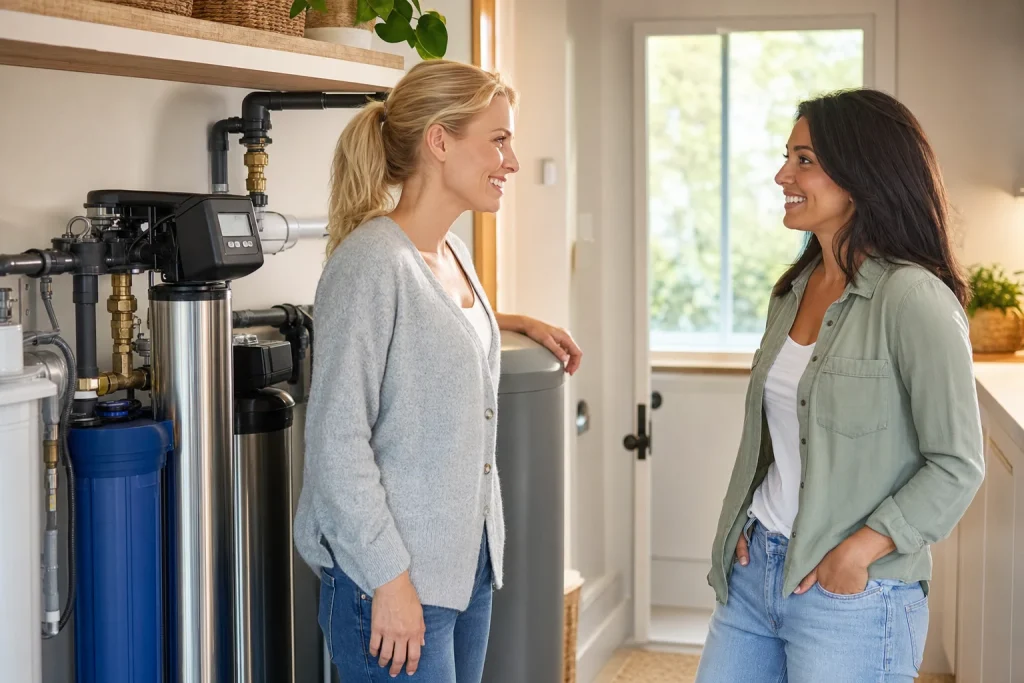
Whole Home Water Filters is a topic that deserves careful attention. Imagine Sarah, a busy mom in Plano, TX, who just wants a refreshing glass of water without the swimming pool aroma.
- Best Whole Home Filters for Removing Chlorine Taste When Your Tap Water is Undrinkable
Whole Home Water Filters is a topic that deserves careful attention. - Imagine Sarah, a busy mom in Plano, TX, who just wants a refreshing glass of water without the swimming pool aroma.
- She's tried pitcher filters and even boiling her water, but that tell-tale chlorine taste still lingers, making her tap water truly undrinkable.
- The best solution for removing chlorine taste and odor from undrinkable tap water is installing a whole home water filter system, specifically one designed with activated carbon filtration.
- These systems treat all water entering your home, ensuring every tap delivers clean, great-tasting water, eliminating the need for endless pitcher refills or bottled water deliveries.
Best Whole Home Filters for Removing Chlorine Taste When Your Tap Water is Undrinkable
Whole Home Water Filters is a topic that deserves careful attention. Imagine Sarah, a busy mom in Plano, TX, who just wants a refreshing glass of water without the swimming pool aroma. She’s tried pitcher filters and even boiling her water, but that tell-tale chlorine taste still lingers, making her tap water truly undrinkable. The best solution for removing chlorine taste and odor from undrinkable tap water is installing a whole home water filter system, specifically one designed with activated carbon filtration. These systems treat all water entering your home, ensuring every tap delivers clean, great-tasting water, eliminating the need for endless pitcher refills or bottled water deliveries. According to the Environmental Protection Agency (EPA), chlorine is widely used for disinfection, but its byproducts can affect taste and odor, making whole home filtration a popular choice for improving water quality.
How Activated Carbon Filters Work Their Magic whole home water filters
At the heart of these whole home systems lies activated carbon, a material renowned for its incredible ability to trap impurities. Think of activated carbon as a microscopic sponge with an enormous surface area. When water flows through the filter, the chlorine molecules, along with other volatile organic compounds (VOCs) and sediment, get adsorbed onto the carbon’s surface. This process, called adsorption, is different from absorption; instead of soaking up the contaminants, the carbon acts like a magnet, attracting and holding them.
There are generally two types of activated carbon used in whole home filters: granular activated carbon (GAC) and carbon block filters. GAC filters consist of loose carbon granules, allowing water to flow through them. Carbon block filters, on the other hand, are made from finely ground carbon particles compressed into a solid block. Both are highly effective at chlorine removal, but carbon block filters often offer superior filtration for smaller particles due to their denser structure. For instance, a family in Phoenix, AZ, dealing with particularly strong chlorine levels in their municipal water, might find a high-quality carbon block system more effective in achieving truly pristine water throughout their home.
“Activated carbon filtration is a time-tested and highly effective method for improving the aesthetic quality of drinking water by removing chlorine and its associated tastes and odors.” – Water Quality Association (WQA)
Beyond Chlorine: What Else Do They Filter?
While chlorine removal is a primary benefit, activated carbon filters are surprisingly versatile. They can also significantly reduce other common water contaminants that affect taste and odor. These include certain pesticides, herbicides, industrial solvents, and even some pharmaceuticals that might find their way into the water supply. This broader filtration capability means that a whole home activated carbon system isn’t just making your water taste better; it’s also providing a more comprehensive level of purification for your entire household.
Consider the case of the Miller family in rural Ohio. Their well water, while not chlorinated, sometimes had an earthy, musty smell, especially after heavy rains. After installing a whole home activated carbon filter, not only did the smell vanish, but they also noticed their coffee tasted richer and their showers felt more refreshing. This illustrates how these systems can tackle a range of issues beyond just municipal chlorine, offering a noticeable improvement in daily life.
Choosing the Right Whole Home Filter for Your Needs
Selecting the perfect whole home filter involves a few key considerations to ensure it meets your specific water quality challenges and household demands. It’s not a one-size-fits-all situation, as water quality varies significantly from one region to another, and even from house to house. Understanding your water’s unique characteristics is the first step towards making an informed decision.
First, consider your home’s water usage. A larger household with multiple bathrooms and high water consumption will require a filter with a higher flow rate and greater capacity to avoid pressure drops and ensure consistent filtration. Filter lifespan is another crucial factor; some filters last for months, while others can provide years of service before needing replacement. This impacts both convenience and long-term operating costs. For example, a family of five in Dallas, TX, with a large garden and frequent laundry cycles, would need a robust system capable of handling high volumes without compromising water pressure or filtration effectiveness.
Installation and Maintenance: What to Expect
Installing a whole home water filter typically involves plumbing work at your main water line, where water enters your house. While some handy homeowners might attempt a DIY installation, it’s often recommended to hire a professional plumber to ensure proper setup and prevent leaks. Incorrect installation can lead to costly damage or ineffective filtration. The system usually consists of a large filter housing that contains the carbon cartridge, often preceded by a sediment pre-filter to protect the carbon from larger particles and extend its life.
Maintenance is generally straightforward but essential for optimal performance. The primary task is replacing the filter cartridge according to the manufacturer’s recommendations, usually every 6 to 12 months, depending on water quality and usage. Ignoring filter replacement can lead to reduced flow rates, diminished filtration effectiveness, and even the potential for contaminants to leach back into your water. A simple reminder system, like a calendar notification, can help ensure timely replacements, keeping your water tasting fresh and clean year-round.
Beyond the initial setup, understanding the long-term implications of a whole home water filter system is key. This includes considering the environmental impact of filter disposal and exploring advanced features that some systems offer, such as UV purification for bacterial concerns or remineralization cartridges for those who prefer a specific mineral balance in their drinking water. For instance, a family living near agricultural areas might prioritize a system with enhanced pesticide removal capabilities, while another in a city with aging infrastructure might focus on lead reduction, even though activated carbon primarily targets chlorine and organic compounds. Data from the Water Quality Association (WQA) indicates that proper maintenance can extend the life of a whole home system significantly, often beyond 10 years for the main unit, making it a sustainable investment.
The financial aspect also plays a role in the decision-making process. While the upfront cost of a whole home filter is higher than pitcher filters, the long-term savings from not purchasing bottled water can be substantial. A typical American household spends hundreds of dollars annually on bottled water, a cost that can be largely eliminated with a reliable whole home system. Furthermore, the improved taste and quality of tap water can encourage greater hydration, contributing to overall family health. For example, a study conducted in 2022 found that households with whole home filtration systems reported a 30% increase in tap water consumption compared to those without, highlighting the direct impact on daily habits and well-being.
Embracing Superior Water Quality for Your Home
Investing in a whole home water filter system is more than just a purchase; it’s an upgrade to your lifestyle and a commitment to better health for everyone in your household. By effectively removing chlorine and other undesirable elements, these systems transform every water experience, from drinking and cooking to showering and bathing. Imagine the peace of mind knowing that every drop flowing from your faucets is clean, fresh, and free from the unpleasant tastes and odors that once made your tap water unappealing. This comprehensive approach ensures consistent quality across all points of use, eliminating the need for multiple point-of-use filters or the constant worry about what might be lurking in your water supply. It’s about creating an environment where pure water is not a luxury, but a standard.
The benefits extend beyond just taste and odor. Cleaner water can also contribute to healthier skin and hair, as chlorine can strip natural oils and cause dryness or irritation. Appliances that use water, such as dishwashers and washing machines, can also benefit from filtered water, potentially extending their lifespan by reducing mineral buildup and corrosion. This holistic improvement in water quality throughout your entire home underscores the value of a whole home filtration system. It’s a foundational enhancement that positively impacts numerous aspects of daily living, making it a wise and beneficial investment for any homeowner seeking to elevate their water experience.
Your Next Steps Towards Pristine Water
To begin your journey toward better water, consider getting a professional water test. This will provide a detailed analysis of your specific water contaminants, guiding you toward the most effective filtration solution. Research different types of whole home activated carbon filters, comparing their flow rates, filter lifespans, and certifications. Look for systems certified by independent organizations like the Water Quality Association (WQA) or NSF International, which ensure products meet rigorous standards for performance and safety. Finally, consult with a reputable plumbing professional to discuss installation options and ensure the chosen system is correctly sized and installed for your home’s unique plumbing and water usage patterns.
Bottom Line: The best whole home water filters for removing chlorine taste from undrinkable tap water are activated carbon systems, which treat all water entering your home, ensuring clean, great-tasting water from every tap.
Frequently Asked Questions
How long do whole home activated carbon filters last?
The lifespan of a whole home activated carbon filter typically ranges from 6 to 12 months, though some advanced systems can last longer. This depends on your household’s water usage and the quality of your incoming water supply.
Can a whole home filter remove all contaminants?
While whole home activated carbon filters are highly effective at removing chlorine, sediment, and many organic compounds, they do not remove all contaminants. For specific issues like heavy metals or bacteria, additional filtration stages may be necessary.
Is professional installation required for a whole home water filter?
Professional installation is highly recommended for whole home water filters. This ensures the system is correctly integrated into your main water line, preventing leaks and guaranteeing optimal performance and filtration efficiency.
Will a whole home filter affect my water pressure?
A properly sized and installed whole home water filter should not significantly affect your water pressure. Choosing a system with an adequate flow rate for your household’s demands is crucial to maintain consistent water pressure.